


Brainstorming a name is easy. It’s getting strangers to use the name that’s the hard part.
A phrase only becomes a category when people with no reason to help you start using it: competitors, analysts, LLMs, buyers on a sales call. That’s why most category creators end up retreating to the comfort of an established space.
Greenhouse tried “recruiting optimization,” then went back to applicant tracking system (ATS).
Marketo tried “revenue performance management,” then back to marketing automation.
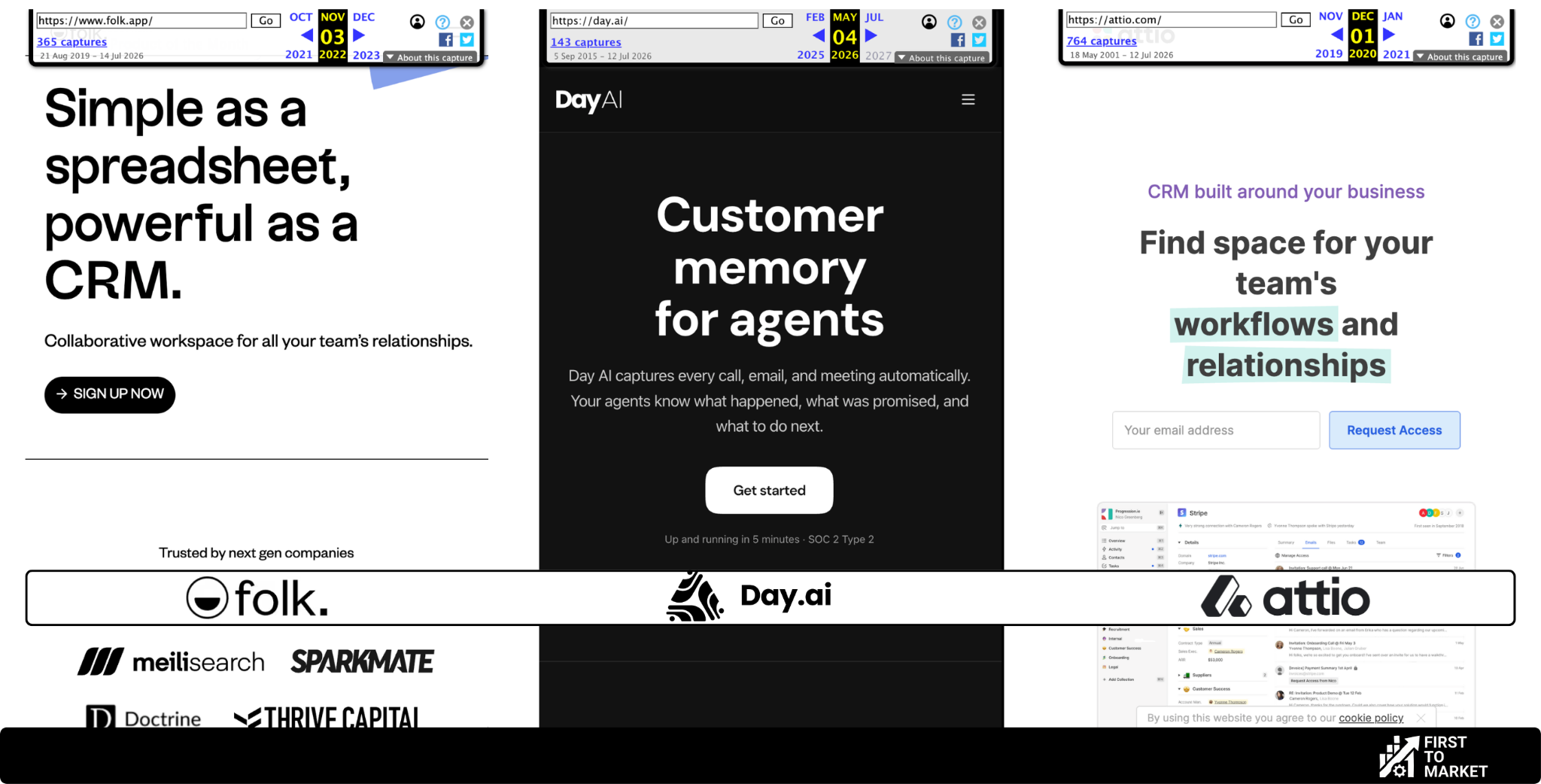
Folk tried “xRM.” Today it’s a CRM.
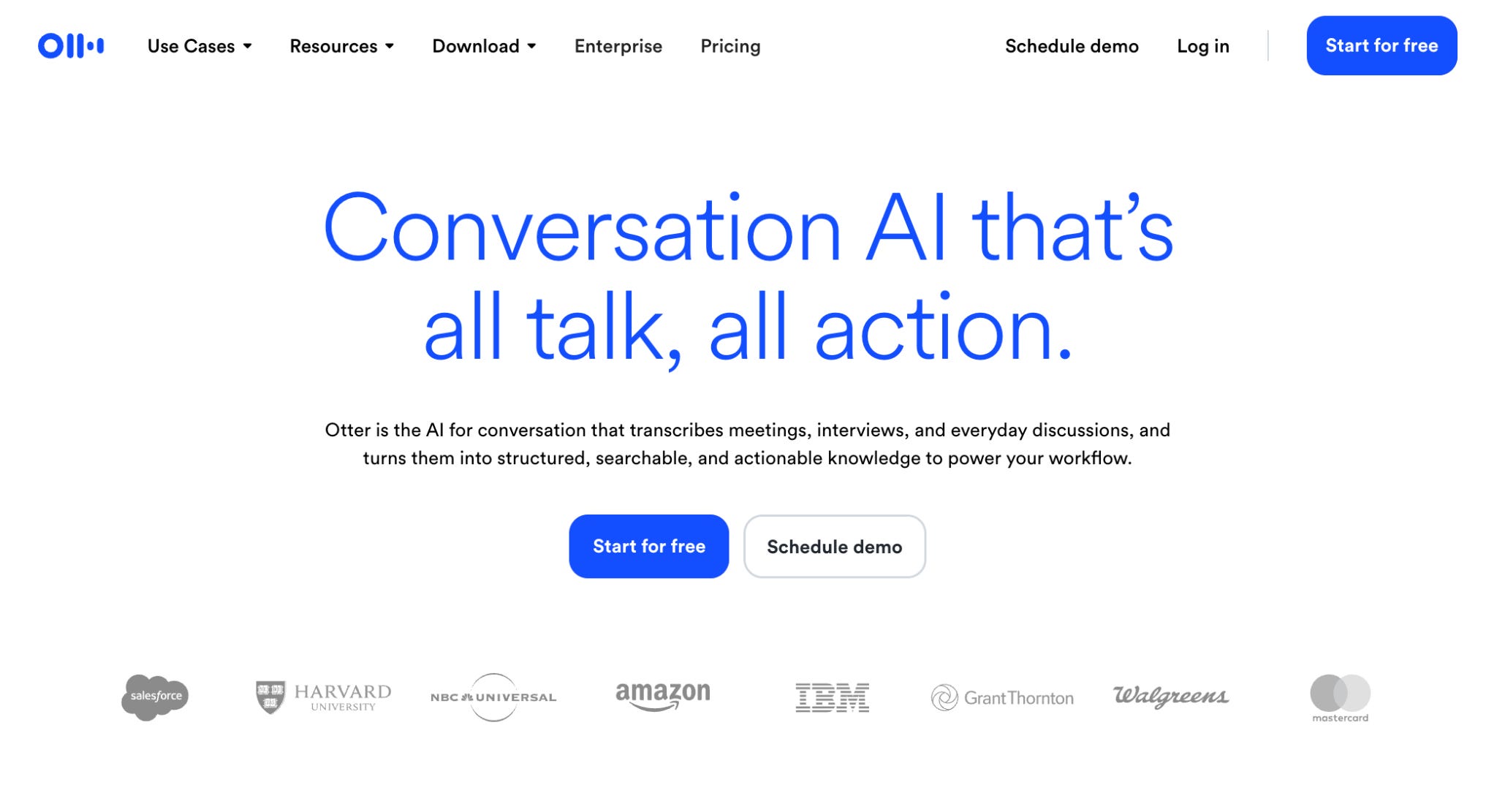
Otter tried “Ambient Voice Intelligence.” The market (understandably) shrugged and called it an AI notetaker.
But some do stick. Gong made “revenue intelligence“ work. Hightouch made “reverse ETL.” Hubspot won with “inbound.”
When a name sticks, the author owns the language buyers use to describe the problem, the checklist they paste into the RFP, and how they grade vendors.
I studied how 96 companies across 13 categories positioned themselves at launch, then how they think of themselves today. The category retreats outnumber the wins, and clear patterns emerge.
Here are the five reasons category names stall, along with companies that broke each rule and got away with it.
1. It focuses on the tech
When a category phrase focuses on how the product works rather than what the buyer is trying to accomplish, it is deprioritizing the buyer in favor of the builder.
Gong walked away from “conversation intelligence,” a term that describes what the software does to your call recordings, and declared “revenue intelligence” instead. In my breakdown of Gong’s shaper content, their team shares that conversation intelligence was easy for a CRO to delegate, but revenue intelligence had their job title in it.
Otter tried “Ambient Voice Intelligence,” a phrase about the technology. Nobody needs that the way they need meeting notes. The market settled on “AI meeting notetaker” without Otter’s input or influence. As Otter still tries to push “conversation AI,” at least they have “AI Notetaker” in the home page title tag.
Counter Example: “Reverse ETL” is a description of the technical plumbing, but Hightouch got it to stick. Their buyer is a data engineer, and for that role the medium is the thing that matters.
Lesson: A good name reflects the job to be done rather than how the job is done.
2. It needs a translator
People don’t repeat what isn’t legible or is awkward to say.
Folk launched as “xRM“ short for Extended Relationship Manager. The ‘x’ wasn’t self-explanatory, so it never caught on. Day AI tried the same with “CRMx“ where the ‘x’ stood for context. Attio launched with the word buyers already used, and never looked back.
Marketo tried “revenue performance management.” Three abstract words with no clear picture in the buyer’s head. Back to marketing automation.
Counter Example: This rule was broken by Datadog. “Observability” was a term nobody in DevOps used, and buyers needed it explained before they’d buy it. Datadog had the scale and budget to teach the market anyway, and the term ended up with its own Magic Quadrant with Datadog as the leader.
Lesson: A name shouldn’t need a translator unless you’re prepared to fund the translation.
3. It fights what buyers already use
A stumbling incumbent is not necessarily a stumbling category. When the market leader looks slow or dated, it’s tempting to treat the whole category as up for grabs and rename it. But the leader can lose momentum while the term buyers use stays entrenched.
Greenhouse tried to differentiate from outdated tech by making “recruiting optimization” happen. Recruiters just kept saying “ATS.” Marketo making the same bet against “marketing automation” is another example. Nothing was broken about the incumbent term, so the challenger had nothing to be the opposite of.
Counter Example: Using “inbound” worked for Hubspot because the old methods were limited. Marketers were tired of chasing customers who didn’t want to be chased, and “inbound” named the alternative: getting customers to come to them. When the old approach is failing, a new name has an opportunity.
Lesson: Replace a category word only when the old one lies to your buyer. Boring is not the same as broken.
4. It reaches for the platform
Some names are aspirations by the builder that the buyer can immediately see through: platform, operating system, suite. Adobe and Microsoft earned these designations by building individually successful products. It’s uncomfortably obvious (to everyone) when startups reach for them too quickly.
Sanity tried to call itself “content operating system.”
Contentstack tried “agentic experience platform.”
Treasure Data tried to drop CDP for “agentic experience platform” too.
Nobody types “content operating system” into a search bar. All of that aspirational naming crumbles when the buying starts, regardless of how good it looks in a press release.
Monday.com has shown us this a few times. It spent years selling the idea of a “Work OS” and eventually walked away to relaunch itself as an “AI work platform.” Even a public company with a real multi-product suite couldn’t get its own OS name to stick. On a related note, I’m not convinced that buyers are searching for an “AI work platform” either.
Counter Example: “Customer Data Platform” is a platform name that stuck, and it stuck because it came from an analyst rather than a brand. Then Gartner picked it up, and the vendors followed along. That’s the difference.
Lesson: Name the wedge you’re selling now and the enterprise platform name later once buyers want one.
5. It blocks others from using it
A category is a term that the whole market shares. Making it uniquely yours by sticking a ™ at the end of it actually limits its potential. If a competitor can’t use it, it stays a branded name and never becomes the category for you to lead.
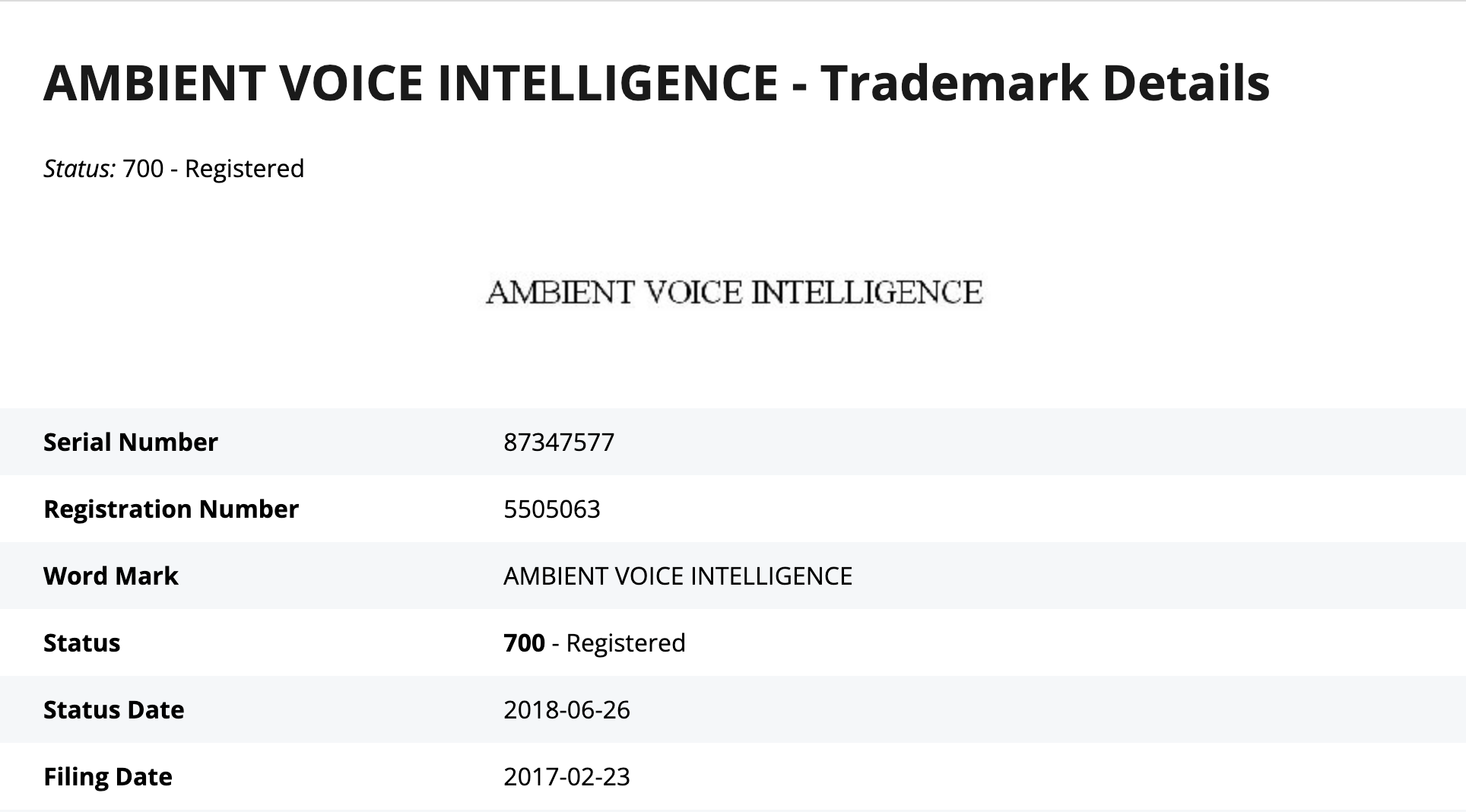
Otter AI trademarked “Ambient Voice Intelligence” so that’s where it dead-ended: Gartner isn’t making a Magic Quadrant with a protected term. If anyone else had wanted to use it — a big if there — that didn’t matter.
Counter Example: Clay turned “GTM engineer” into a job title rather than a product name so the entire market could use it. Getting strangers to repeat a term is a discipline of its own, which I broke down in the shaper content piece. A name you guard never has that opportunity.
Lesson: If you’d sue a competitor for using your term, it isn’t going to define the category.
Name it so they’ll say it back
Think of the name as a lever. The goal is not cleverness or brandability.
Whatever your candidate, test it against the five common missteps.
Does it describe your buyer’s job or your own technology?
Can they quickly decode it?
Does it give them something an incumbent term couldn’t?
Are you naming the wedge or the fantasy?
Would you be ok with a competitor using it?
Clear all five and you might have something worth owning. Miss them and it could just be a clever term you’ll quietly retire in a year or let it fade with you, while the market names the category without you.
Name it so they’ll say it back.