


The most common advice I give startup teams is to narrow their focus. Someone writes me about a scenario like the following almost every week:
A founding team launches its product.
They get an initial pop of interest.
Those early signals encourage the team to expand its audience focus, trying to replicate the initial pop on a larger overall audience size.
They can’t replicate it.
All growth stalls.
That timeline could be 2 weeks or 2 years, but it almost always follows that sequence and my advice is almost always the same: “You need to focus narrower rather than casting broader.” It takes the shape of:
A landing page that tries to speak to everybody ends up resonating with nobody.
An onboarding flow for all users never hooks any of them.
A nurture sequence for three personas never motivates any of them.
While my advice is typically to get hyper-focused on one ICP or segment, then restart growth from there, I’ve never scrutinized it with historical data.
This week I coded the companies in our category database on how they described themselves at launch vs at 2 years vs today. For example:
Cartesia launched as “real-time multimodal intelligence for every device” and narrowed to developers building voice agents.
Framer launched for designers making prototypes and narrowed to teams shipping websites.
m3ter launched for anyone running pricing operations and narrowed to companies billing on high-volume usage.
Some of the strongest performers in the database did show a narrowing after launch and, against their peers, a narrower focus in the early years was 2-3x more efficient with revenue growth. (Note: I used median revenue-per-dollar-raised to try to standardize an objective definition of “success.” It’s not perfect.)
That means I stand by my advice for a lot of teams: retreating to a narrower focus can actually accelerate growth rather than limit it.
If any part of this sounds familiar, here’s my playbook for addressing it.
Post-launch Narrowing
1. Narrow the Audience
“Narrow” doesn’t always mean what people expect. There are lots of ways to narrow your target market.
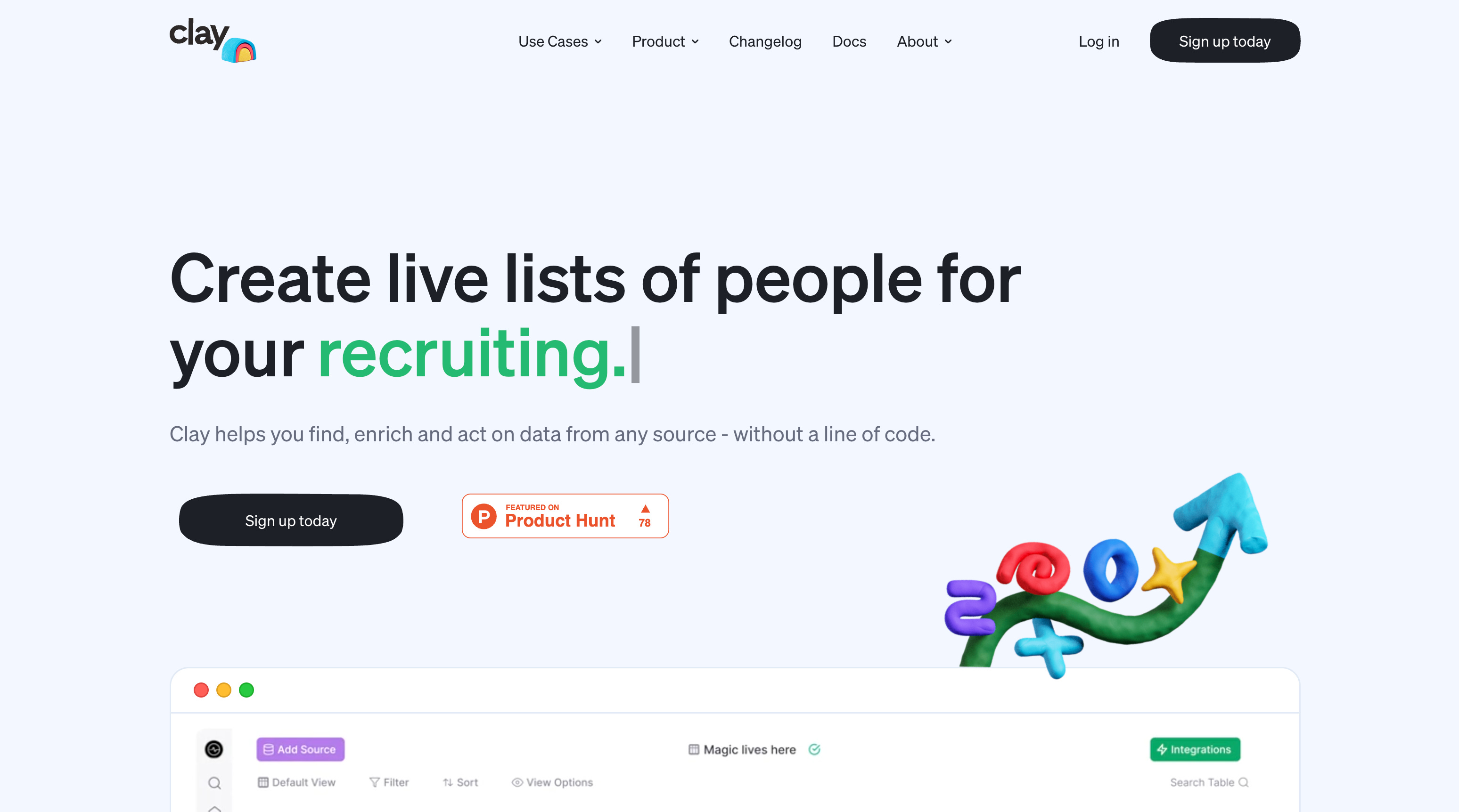
Clay narrowed on the task to be done.
Brex narrowed on the type of small business.
HubSpot narrowed on the company size.
Ideally, your narrowed selection should have two qualities:
It represents your best customers already.
You have a tangible and defensible wedge to keep winning with that segment.
If your narrower audience is simply “the same pitch, fewer people,” you’ve cut your market without creating an advantage or potential flywheel.
Test it: Craft a one-sentence tailored pitch for a segment that shares the attributes of your 10 best customers and doesn’t share the attributes of your 10 worst customers.
Lesson: The goal is identifying your best customers then putting your business in a position to replicate them.
Common misstep: It’s tempting to choose the segment you want over the one you have. The shortest path to growth often goes through your existing customers.
2. Narrow the Product Messaging
“Narrow” doesn’t necessarily mean changes to the product or product roadmap. We’re really just talking about honing the way that the product is presented to its audience.
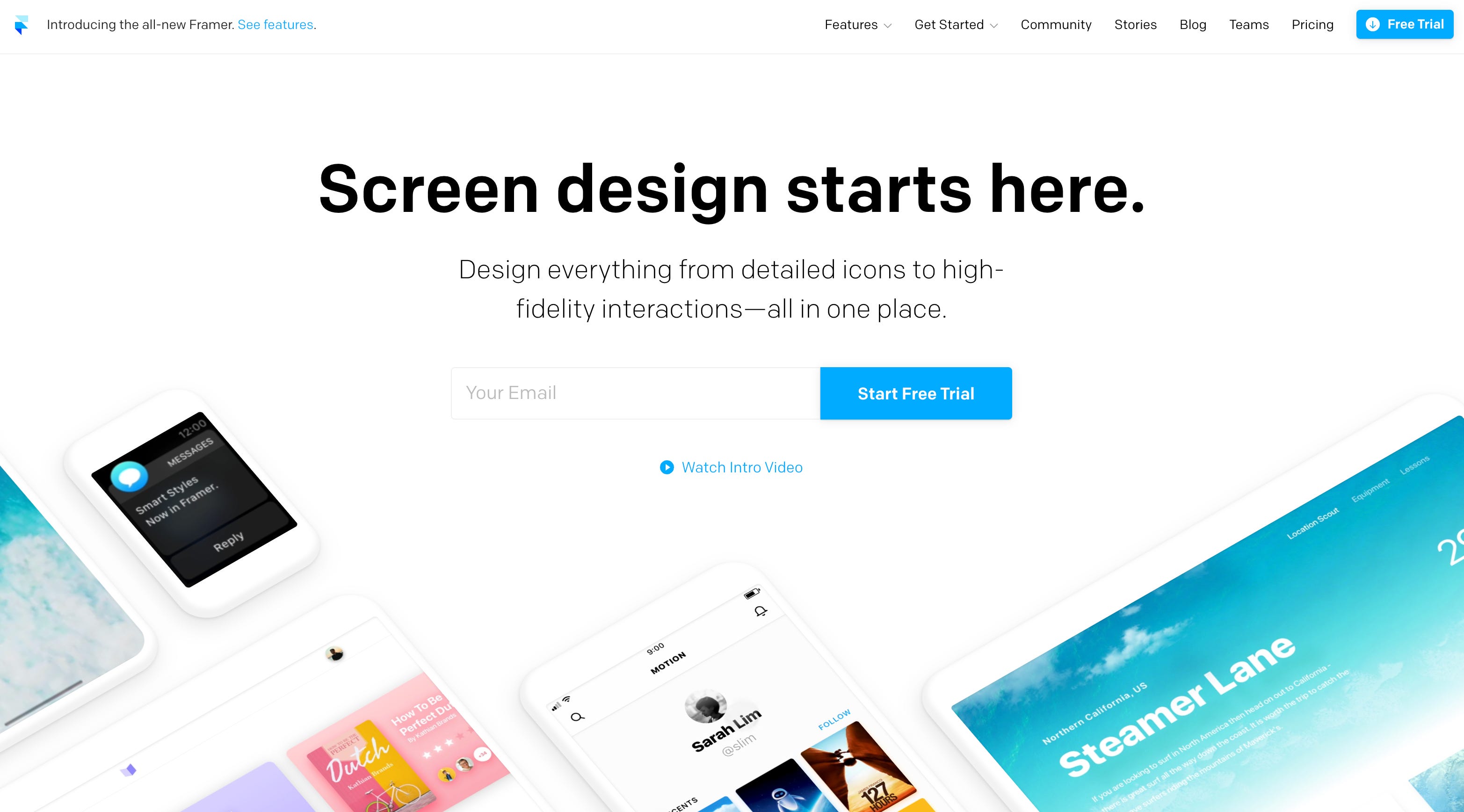
Framer found that early customers kept using its broad prototyping tool to build simple sites. They now are an “AI website builder.”
Clay found that people used its automatable spreadsheet to run outbound campaigns. They now sell “systems to grow revenue.”
Test it: Document the way that the segment from Step 1 talks about your product or service and the specific problems that you solve. Then compare that to your home page for messaging gaps or omissions.
Lesson: Your ideal customers can help you hone your product messaging if you take the time to capture it and use it.
Common misstep: These updates are more than a home page headline. The updated message needs to be pulled through the entire experience from the first advertisement to the final onboarding step.
3. Solidify the Wedge
Your narrower focus should also make you uniquely positioned and defensible against competitors.
Linear chose “issue tracking” over “project management” to resonate with technical teams.
Pipedrive spoke to the salesperson by emphasizing pipeline management rather than abstract revenue goals.
Hightouch used technical jargon on purpose to speak to the data engineers it wanted and push away the marketers it didn’t.
Test it: Go back to your one-sentence pitch from Step 1 and your gap analysis from Step 2. Look for opportunities to tailor both to your target audience in a way that no other competitor could claim, acknowledging it might mean pushing some of the not-ideal people away.
Lesson: Positioning that is most likely to resonate with the right buyer may also push the wrong buyer away, and that’s a risk we’re willing to take.
Narrowing Isn’t Permanent
None of this means you have to stay small. The whole goal is demonstrating traction with a small base so you have the foundation to expand from there.
Canva positioned itself exclusively for social media managers, then expanded to startup founders, then expanded from there.
Deel went from one contractor workflow to “The Global People Platform.”
HubSpot went from a single marketing tool to an entire customer platform for sales, service, marketing and product teams.
Brex went from startup corporate card to enterprise spend platform.
Building has never been cheaper or easier, which means a feature list doesn’t make our companies unique any longer. While it may be tempting to go as broad as possible with your product, a bootstrapped competitor can copy a meaningful portion of most of our products in a weekend. Your best defense is a good offense, fueled by owning the small segment that you are uniquely positioned to win. Make whatever adjustments you need to go get them.